Top NGOs in India Working for Education, Women Empowerment and Community Development
The non-governmental organization sector in India helps solve problems and improves life for people in communities. Non-governmental organizations work in areas like education womens empowerment, health care, ways to earn a living and protecting the environment. By running programs that involve people and working with others, non-governmental organizations create opportunities for people from backgrounds.
When we look at -governmental organizations, in India it is important to know the areas where non-governmental organizations help progress. The impact of -governmental organizations relies on how well non-governmental organizations understand what the community needs how good their programs are, how open they are and how committed they are to change. Checking the work of -governmental organizations. What they achieve can help people and groups find -governmental organizations whose goals match their own hopes for social change.
What Makes an NGO Effective?
An effective NGO knows the problems that a community goes through. It creates programs to help with those problems. Transparency, experience, involvement from the community and clear results are signs of the work an NGO India does.
The effect of an one of the top NGO can be seen by access to education better access, to services, womens skill building and more community involvement. Looking at the project reports of an NGO checking efforts and seeing the long-term benefits of an NGOs programs can show the contribution of an NGO.
NGOs that focus on sustainable solutions rather than short‑term assistance can help communities build stronger foundations for the future.
Improving Access to Quality Education
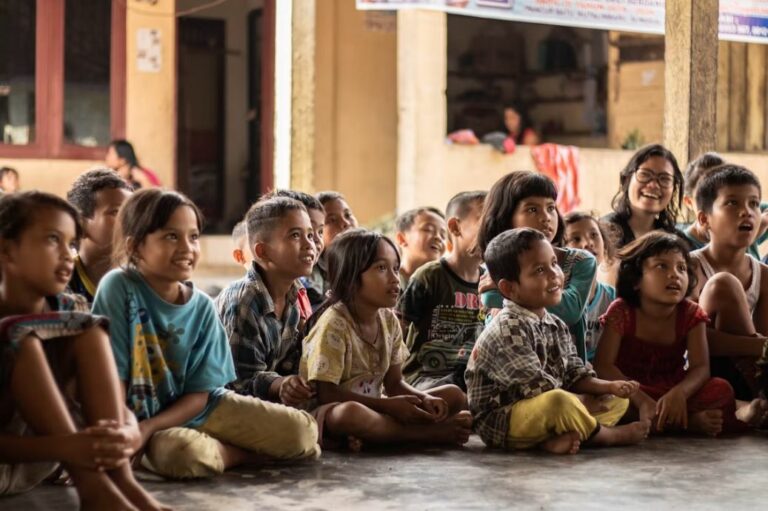
Education creates opportunities for children. Education supports the long‑term development of communities. However children in areas may face challenges such as inadequate school infrastructure, limited access, to digital resources and financial difficulties. NGOs help address these barriers by improving learning environments and providing support.
Key initiatives that can improve access to quality education include:
- Upgrading School Infrastructure – Upgrading School Infrastructure is about making schools, in areas safer and kinder. We can fix classrooms give furniture, clean toilets add libraries, computer rooms and other study spots. When schools look nicer more kids go to class. Upgrading School Infrastructure supports all kinds of growth for children.
- Providing Digital Learning Tools and Educational Resources – Providing Digital Learning Tools and Educational Resources means giving kids ways to learn. We can set up classrooms, computer rooms, science labs and apps that show lessons. We can also hand out mobile learning packs, books, pens and other supplies for kids who do not have school kits. Providing Digital Learning Tools and Educational Resources helps kids read better solve problems and feel sure when they use computers.
- Offering Scholarships and Remedial Academic Support – Financial difficulties can prevent children from continuing their education. Scholarships and assistance with materials can help reduce these barriers. Remedial classes, foundation courses and additional academic support can help students strengthen skills overcome learning gaps and continue their education.
Spherule Foundation helps with these efforts by building school infrastructure creating STEM labs setting up classrooms providing computer education offering remedial learning giving scholarships and running its InstaShala learning app. These projects are meant to make good education easier to reach and help students from communities gain the skills they need for the future.
Supporting Womens Development
Womens empowerment is a part of social and economic growth. Getting access to education, healthcare, vocational training and safe workplaces can help women become stronger, on their own and take part fully in their communities.
NGOs can support womens development through the following initiatives:
· Vocational and Skill Training – Vocational training helps women gain skills that can make it easier for them to find jobs and earn money. Training in areas like sewing, beauty services and other fields that are in demand can help women get jobs start businesses and become financially independent. Programs that focus on developing skills can also help women discover career options and add to the money earned by their families.
· Health and Menstrual Hygiene Awareness – Health education helps girls and women make choices about their health. Sessions that talk about hygiene, education about reproductive health and getting access to hygiene products can help fix wrong ideas and reduce the shame people feel. Workshops in the community and programs in schools can start conversations, about health and encourage better habit
· Workplace. Awareness – Creating workplaces is essential for women’s participation in the workforce. Awareness programs on gender equality, workplace rights and the Prevention of Sexual Harassment (POSH) can help employees understand workplace conduct and the procedures available to address sexual harassment. Spherule Foundation supports women’s empowerment through skill development initiatives, menstrual health awareness and POSH training. These initiatives address aspects of women’s being, by improving livelihood opportunities promoting health awareness and creating safer workplaces.
Strengthening Community Development
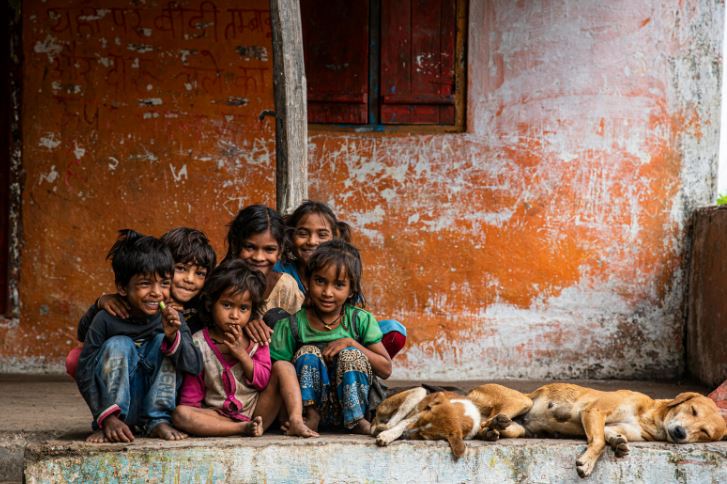
Community development means making life better and giving chances to people by doing long‑term plans that work together. Depending on what each place needs NGOs might focus on health, learning, jobs, protecting nature, clean water or other essential services.
Community participation is key to making these plans work. When residents help spot problems, plan work and take part in doing it the programs fit the needs better and share the duty among everyone.
Co‑working between NGOs, local people, schools and businesses can also widen the reach of development work. By joining resources, knowledge and local insight these ties can solve problems well and help steady growth.
Spherule Foundations Work Across India
Spherule Foundation is one of the best NGO in india that works in learning, health, women’s empowerment, job growth, nature care and CSR projects. Spherule Foundation programs aim to meet community needs with actions, awareness work and partners.
In learning Spherule Foundation builds school buildings, STEM labs, classrooms teaches computers helps students who need extra help offers scholarships and uses its InstaShala app for tech‑based learning. These actions aim to give learning to students from under‑served areas.
The Foundation also backs women’s empowerment by teaching jobs raising awareness about menstrual health and hygiene and giving Prevention of Sexual Harassment (POSH) training. These actions boost job chances, health knowledge, gender fairness and safer work places.
Through Spherule Foundation community development and CSR projects Spherule Foundation focuses on learning, health, job chances and nature care. Partnerships with groups can widen the reach of social programs and match resources to community needs.
By working in these fields Spherule Foundation hopes to bring growth and lasting social change. People and groups who care can look into Spherule Foundation learning projects, CSR plans and POSH training services.
The Role of CSR Partnerships in Social Development
Corporate Social Responsibility (CSR) ties can help NGOs grow programs and reach people. With money, expert knowledge, employee help and long‑term teamwork companies can back work in learning, health, women’s empowerment, nature care and community growth.
Before starting a CSR bond groups should check an NGO’s experience, how well it can run projects how open it is, how it reports and whether it keeps rules. Clear goals and steady review help partners see how money is used and what results come from the work.
Strong ties match goals with true community needs giving real and lasting help.
How to Choose the NGO
People, donors and companies should think about many points before giving or joining an NGO.
• Mission and focus areas: Understand the NGO’s aims. Whether the NGO’s work fits the cause you want to back.
• Experience and project results: Look at projects the field skill and the outcomes the NGO has reached.
• Transparency and accountability: Check the reports, money details, registrations and other key documents.
• Community participation: See if the NGO invites people to spot needs and run the programs.
•. Compliance: For CSR ties check project management reporting steps and rule‑keeping.
• Long‑term sustainability: Think whether the NGO’s initiatives aim to keep benefits for a time instead of quick fixes.
Considering these points can help people and groups make decisions when picking an NGO for gifts, volunteering or impact work.
NGOs help India grow by giving learning supporting women and aiding communities with key needs. Their success depends on knowing problems delivering good programs staying open and aiming for real lasting results.
When looking at NGO’s India it matters to see beyond their words and watch the real work on the ground. By picking groups with skill, honest practice and clear care, for community needs people and companies can back projects that bring inclusive and steady growth.