NGO in India: Role, Impact and How to Choose the Right NGO
India has a range of communities facing different kinds of challenges. These include issues in education, health, economy, environment and social inclusion. Non-governmental organizations or NGOs help tackle these problems by working with local groups and creating long-term solutions. An NGO in India can focus on areas. These include education, healthcare, women empowerment, job creation, child welfare, environmental protection, community development and corporate social responsibility. With many groups doing work in different parts of the country choosing the right NGO is not just about popularity. It’s important to look at the mission, experience, honesty how much it involves the community and the real results it achieves. This helps individuals, companies and institutions make choices.
What Is an NGO?
A non-governmental organization is a group that does not aim to make profit. It works toward goals related to society, education, the environment, humanitarian causes or community well-being. NGOs can operate locally within a region across the country or even internationally. Their work usually includes finding out what people need, planning programs, raising funds carrying out activities and checking how effective they are. In India NGOs take part in types of social efforts. According to the India Nonprofit Report 2025 the main areas where NGOs are active include education and early childhood care, rural development, health and nutrition and livelihoods and training.
Why Are NGOs Important in India?
India’s development challenges can be very different from one area to another. While the economy is growing many people still face difficulties with access to education, healthcare, jobs, digital tools, financial security and fairness in society.
NGOs help fill gaps by bringing together resources, skills and communities.
Some key ways NGOs make a difference include:
– Improving access to quality education
– Supporting health services and awareness
– Helping women gain power and independence
– Creating job opportunities and skill-building programs
– Protecting children and weak groups
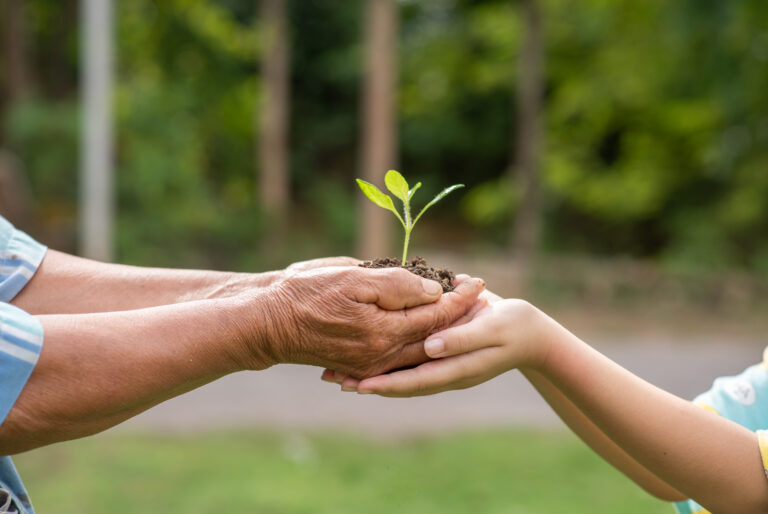
– Running projects for environment and sustainability
– Advancing rural and local development
– Working with companies on CSR projects
– Raising awareness about serious social issues
The true success of an NGO should not be measured only by how many people it reaches. It should also be judged by how deep and lasting the change is.
Major Areas of NGO Work in India
1. Education and Learning
Education remains one of the important parts of social progress.
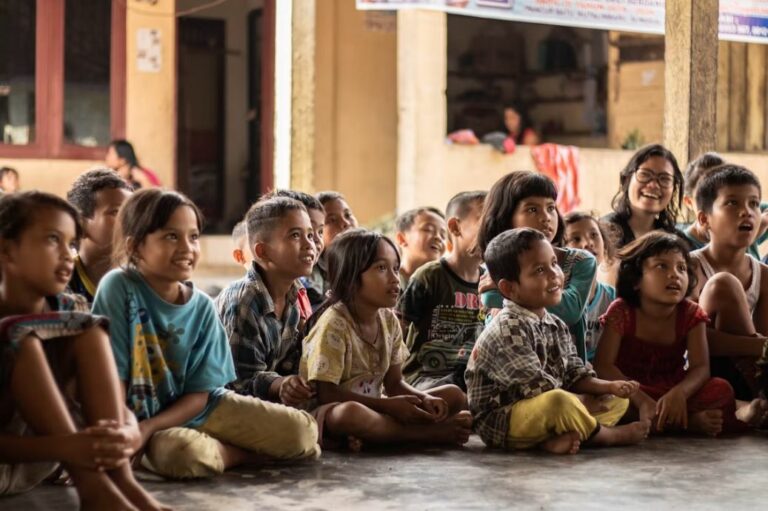
An NGO focused on education in India might work with schools, students, teachers, parents and local groups to create chances for learning.
These programs can include:
– Building school facilities
– Setting up digital classrooms
– Teaching science and technology (STEM)
– Digital literacy training
– help for struggling students (remedial education)
– School scholarships
– Training for teachers
– Educational events and workshops
– Foundational reading and math skills
– Career guidance and vocational training
The goal should go beyond just giving access to school. Good programs also focus on learning results, digital access, confidence building, useful skills and future opportunities.
2. Women Empowerment
Empowering women is another field for NGO action.
NGOs support women through job skills, financial knowledge, awareness campaigns, education and helping them get involved in community life.
Women-focused programs can lead to economic freedom and better access to information and chances in life.
3. Healthcare and Health Awareness
Healthcare-focused NGOs try to improve both knowledge and access to care especially in places where people struggle to reach hospitals or clinics.
Their activities may include:
– Health awareness drives
– Mobile medical camps
– Preventive health programs
– Nutrition education
– Maternal and child health support
– Mental health awareness
– Community health education
4. Livelihood and Skill Development
Having income and job options can significantly improve lives and families.
NGOs often run training business start-up courses, digital literacy programs and skill-building workshops to help people become more employable.
5. Child Welfare
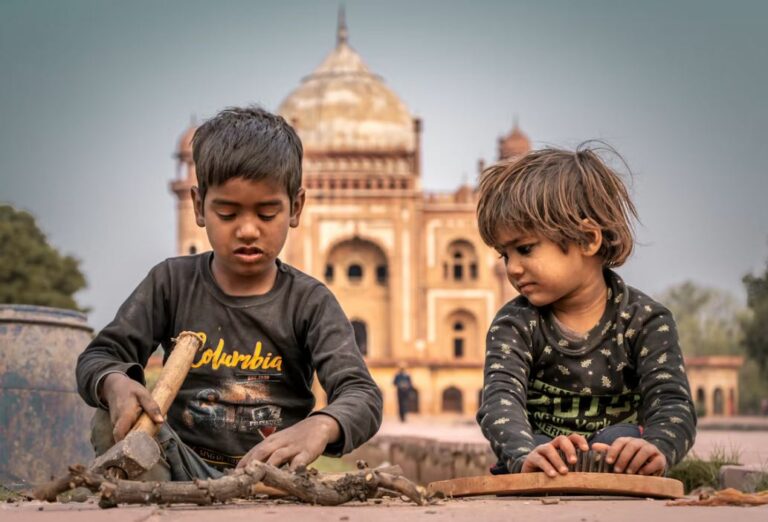
Children face challenges in forms—education, food, safety, health and family conditions.
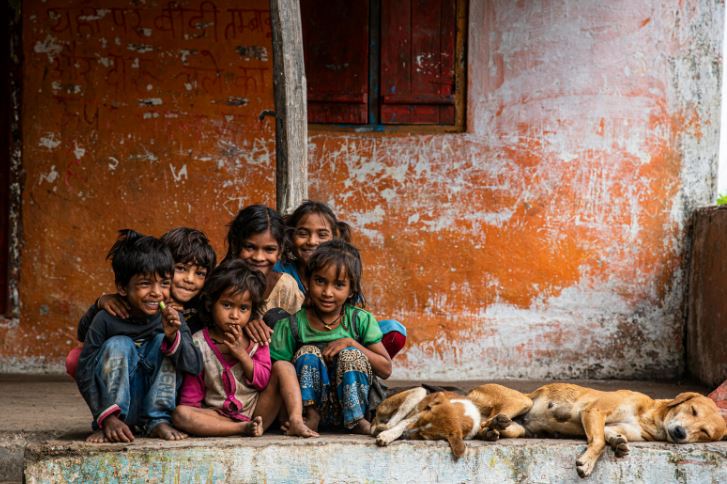
NGOs working on child welfare may support education learning materials, awareness, child protection, nutrition and community-based actions.
6. Environmental Sustainability
Environmental problems have made sustainability more urgent than ever.
NGOs contribute by promoting:
– Environmental awareness
– Waste management practices
– Water conservation
– Tree planting
– Climate change education
– Sustainable living habits in communities
– Saving natural resources
These efforts often involve schools, neighborhoods, businesses and volunteers.
The Role of NGOs in Corporate Social Responsibility
Today many companies work with NGOs to carry out their Corporate Social Responsibility (CSR) plans.
A CSR NGO in India can help companies turn their goals into real action on the ground.
Common partnerships focus on:
– Education
– Healthcare
– Women empowerment
– Skill development
– Rural development
– Community infrastructure
– Environmental sustainability
– Digital literacy
– Livelihood development
Experienced NGOs bring local knowledge help with project execution connect with beneficiaries, oversee monitoring keep records and report impact.
For companies picking the partner is a big step in making a successful CSR program.
How NGOs Create Social Impact
Impact isn’t just about counting how many events were held. For example running 100 sessions is an output.. Knowing whether those sessions improved students’ understanding, confidence, ability to learn or skills tells you more about real outcomes.
A strong NGO program follows a path:
Need → Planning → Implementation → Monitoring → Outcome → Long-term impact
This way the organization can check if its programs actually solve the real problem and create lasting change.
What Makes a NGO in India?
There are organizations working on important social matters. Being the best NGO in India should not be about fame or number of followers.
When evaluating an NGO consider these points:
Clear Mission and Purpose
The NGO must clearly say what issue it addresses, who benefits and how its programs will bring change.
Relevant Experience
Experience counts, when selecting an organization for major impact or CSR work. Look for proof that the NGO has worked in the area, location or community where you want to act.
Transparency and Accountability
A reliable NGO should share details about its operations, leadership, finances, partnerships and results. Government platforms like NGO-DARPAN allow users to search for registered groups and NGOs. Registration alone does not guarantee impact. Donors and partners must do research.
Measurable Impact
Look for groups that can explain what their programs have done.
Useful measures include:
– Number of people helped
– How many finished the program
– Improved learning results
– Jobs created
– Community involvement
– Infrastructure built
– Long-term changes observed
Strong Community Relationships
An NGO that knows the communities it serves can design programs better suited to needs.
Ideally community members should take part in planning and managing the program—not just receive help.
Financial and Legal Compliance
Before donating or partnering verify the NGO’s status, financial data and compliance with laws. For CSR collaborations companies must also confirm that the NGO meets all required standards for implementation.
How to Choose the NGO in India
No matter if you are an individual donor a volunteer, a company or a public institution the right NGO depends on your goal.
Step 1: Identify Your Cause
Start by deciding which issue you want to support.
Options include:
– Education
– Women empowerment
– Healthcare
– Child welfare
– Livelihood
– Environment
– Community development
Step 2: Research the NGO
Go through the organization’s website check its programs annual reports, project details, team leaders and evidence of impact.
Step 3: Check Registration and Compliance
Verify the NGO’s registrations and approvals. NGO-DARPAN is a database where users can search for registered NGOs and voluntary organizations.
Step 4: Review Previous Work
Look for completed projects of relying only on future promises. Photos, case studies, impact reports, feedback from people. Partner names can give a clearer view.
Step 5: Understand How Your Contribution Will Be Used
If you are giving money or funding a project ask how the funds will be spent and what results you can expect.
Step 6: Look Beyond Short-Term Results
The strongest social efforts focus on lasting improvements, not just quick fixes. Ask how the NGO plans to keep benefits going after the project ends.
Best NGO in India: What Should You Look For?
Many people search for ” NGO in India” or “most trusted NGO in India” when they want to support a cause. There is no single organization that fits every situation.
The right NGO depends on factors such as:
– The area of work
– Geographic reach
– The community it serves
– Expertise in programs
– Transparency
– Ability to deliver
– Measured impact
– Financial accountability
– Experience in partnerships
For example someone looking for a good education NGO in India should focus on the organization’s track record in teaching and learning outcomes not just national name recognition.
Similarly a company seeking a CSR partner should assess implementation skills, compliance, reporting, monitoring and past experience with business collaborations.
Spherule Foundation: Creating Meaningful Social Impact
Spherule Foundation works to create social change through efforts in education healthcare, women empowerment, livelihood, community development and sustainability. Its approach focuses on programs that respond directly to local needs and open doors for individuals and communities. Education plays a role in this effort with programs supporting learning access, school infrastructure, tech-enabled education and student growth. Spherule Foundation also helps organizations that want to launch impact or CSR initiatives. It connects goals with community-based projects.For companies searching for an NGO in India to support or run a social impact program it is essential to choose a partner whose experience, methods and strengths match the project’s aims.
Why Partnerships Are Important, for Social Development
Social challenges are complex. Cannot always be solved by one organization alone. Companies can bring resources, technology, professional knowledge and employee involvement. NGOs can offer community ties, deep understanding of social issues and the ability to carry out programs effectively. Educational institutions, volunteers, local communities and other groups also play a role in making social programs succeed. When all these groups work together with goals social initiatives become more effective and last longer.
The Future of NGOs in India
The role of NGOs in India is changing. New tools like technology, data, digital learning, impact tracking, business partnerships and active community involvement are shaping how social programs are built and run. Future-ready NGOs will need to mix links with local communities with smart technology, open processes, clear results and programs that can keep going over time. The goal should not just be to help people but to bring real and lasting change to people’s lives. Learn more about how NGOs in India contribute to education, women’s empowerment and community development
Conclusion
NGOs are vital for India’s progress in areas, like education, health, women’s empowerment, jobs, child protection, environmental care and community growth. Picking one of the best NGO in India takes careful thought. Important things to look at include mission, experience, honesty, legal compliance, local relationships, ability to deliver and proven results. Whether you are a person wanting to support a cause or a company looking for a CSR partner taking time to check an NGO can make sure your support leads to social impact. Spherule Foundation keeps working to build lasting change through education, community development, women empowerment, healthcare, livelihood programs and other social efforts.